

This page has been automatically translated. Please refer to the page in French if needed.
Billing
Electronic invoicing is effective since September 1st, 2026!
Publié le 02 septembre 2026 - Entreprendre Service Public / (Prime Minister)
The e-invoicing reform entered into force on 1er September 2026. Public Service Undertake gives you all the information you need to know to implement this reform.
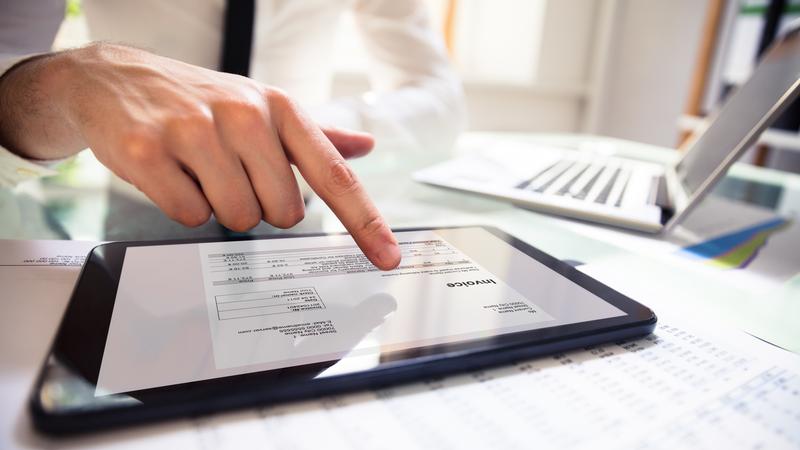
Since 1er september 2026, all companies must be able to receive electronic invoices. The obligation to issue will be progressive: it will apply from 1er September 2026 to large companies and to companies of intermediate size (EI), then from 1er September 2027 to micro-companies and to PME.
Companies must map their billing flows and adapt their internal procedures. They must also choose a approved platform adapted to their needs, which allows in particular the issuance, reception and transmission of electronic invoices as well as certain data to the tax administration.
Please note
To know how to prepare your company step by step, consult our sheet « How to prepare for e-invoicing? ».
However, the introduction of electronic invoicing does not apply to all transactions in the same way. Electronic invoicing concerns in particular transactions for the purchase or sale of goods or services carried out between companies established in France and subject to the TVA. The operations carried out with individuals or clients established abroad are not affected by electronic invoicing. On the other hand, data relating to commercial transactions (B2C) or international transactions will have to be transmitted to the tax administration (e-reporting).
Thus, a company may be subject to these two obligations depending on the nature of its operations.
The DGFIP: titleContent provides you with a guide « E-invoicing: practical guide for starting on 1 September 2026 » to help you prepare for the introduction of e-invoicing.